
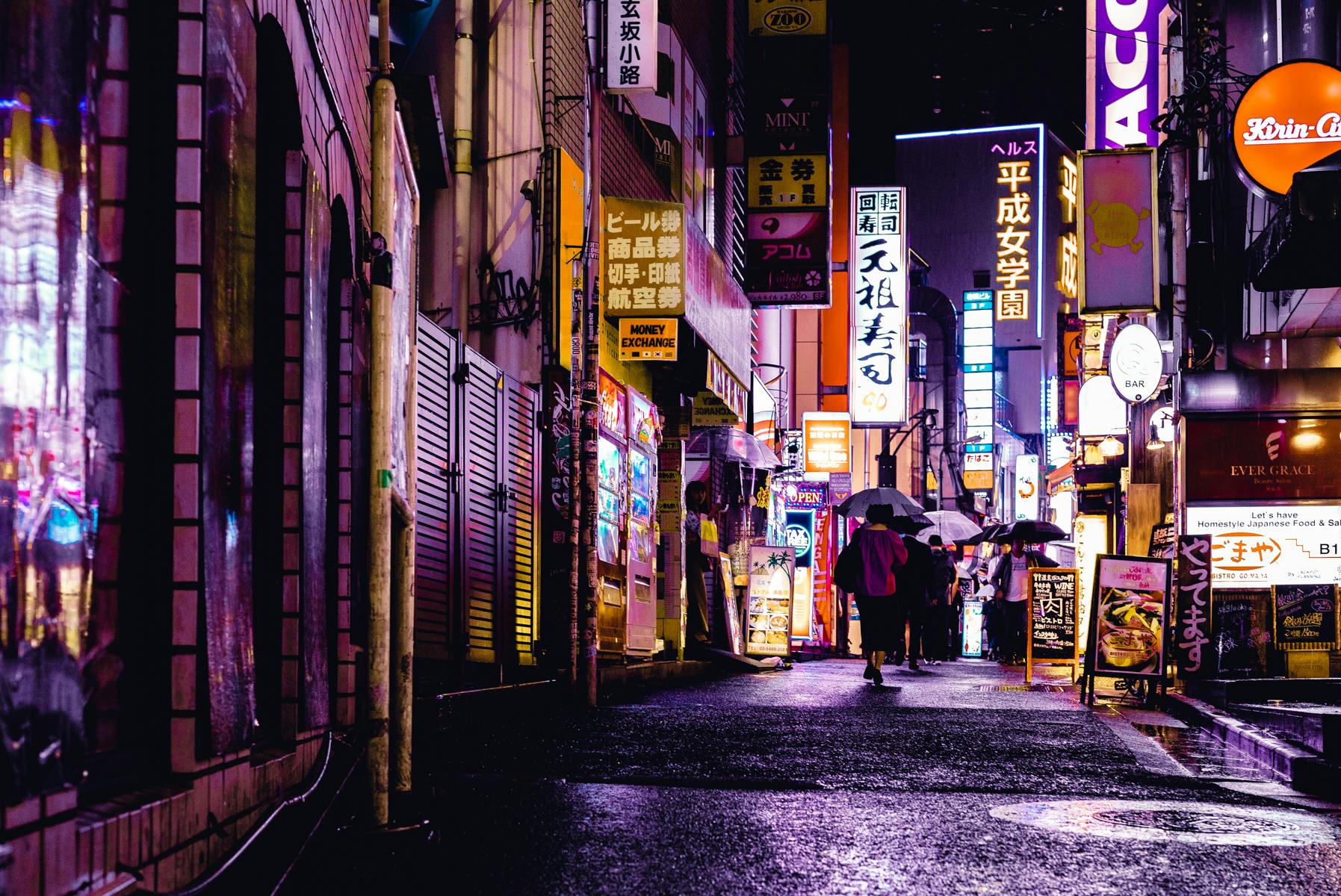

Rarely can you find a country that has it all: incredibly delicious food, rich history, efficient public transport, friendly locals — the list goes on — while being extremely clean, safe and inexpensive. Enter: Japan. Whether you want to relax, party or explore what this beautiful country has to offer, Japan has something for everyone. Here are some fun ideas to incorporate into a two week first-time Japan trip.
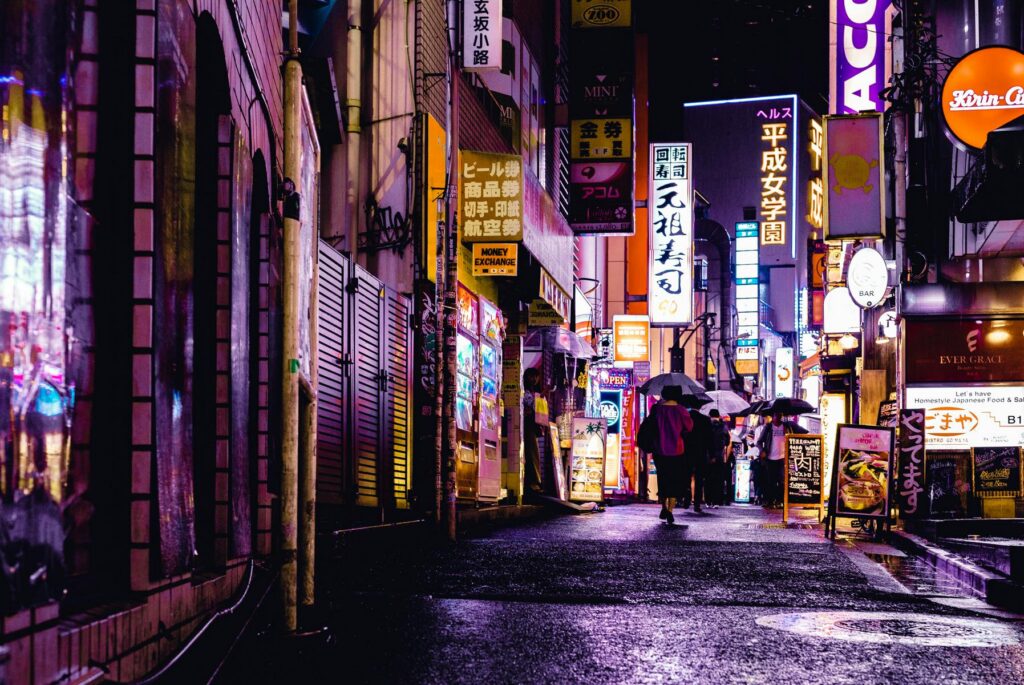
Before You Go: Japan Travel Logistics
Tokyo has two major international airports: Haneda (HND) and Narita (NRT). Haneda is typically more convenient, sitting about 30 to 45 minutes from central Tokyo, while Narita can take an hour or more depending on transport, but both are good options.
At the end of your trip, flying home from Osaka (KIX) is often the most efficient option but if flight routes are better from Tokyo, the shinkansen makes returning incredibly easy.
Japan’s transportation system is famously reliable. What matters most is sequencing cities and trains properly so you’re not wasting time backtracking. Google Maps will be your best friend in Japan when using public transport.
Days 1–5: Tokyo
Starting in Tokyo usually makes the most sense — you’ll likely be flying into the city, and there’s no better place to dive straight into Japanese culture.
Where you stay shapes your experience. Shibuya and Shinjuku put you right in the energy of it all, steps from incredible restaurants, nightlife and shopping. If you prefer something more polished and modern, Toranomon Hills offers a refined base with some of Tokyo’s best hotel options while still being well connected.
You’ll likely be jetlagged, so lean into it. One of my favorite ways to start is with an early morning at Tsukiji Outer Market. Arriving around 7am lets you explore before it’s crowded and sample everything from tamago skewers to wagyu bites. Tonboya is an authentic option with grilled fish and Tsukiji Uogashi is a sake bar that does great tastings. Be sure to avoid stalls with too many photos and English menus as those are typically overpriced and the quality isn’t the same. If you want to take it one step further, head to Toyosu Market even earlier to see the tuna auction, then make your way back to Tsukiji to eat.

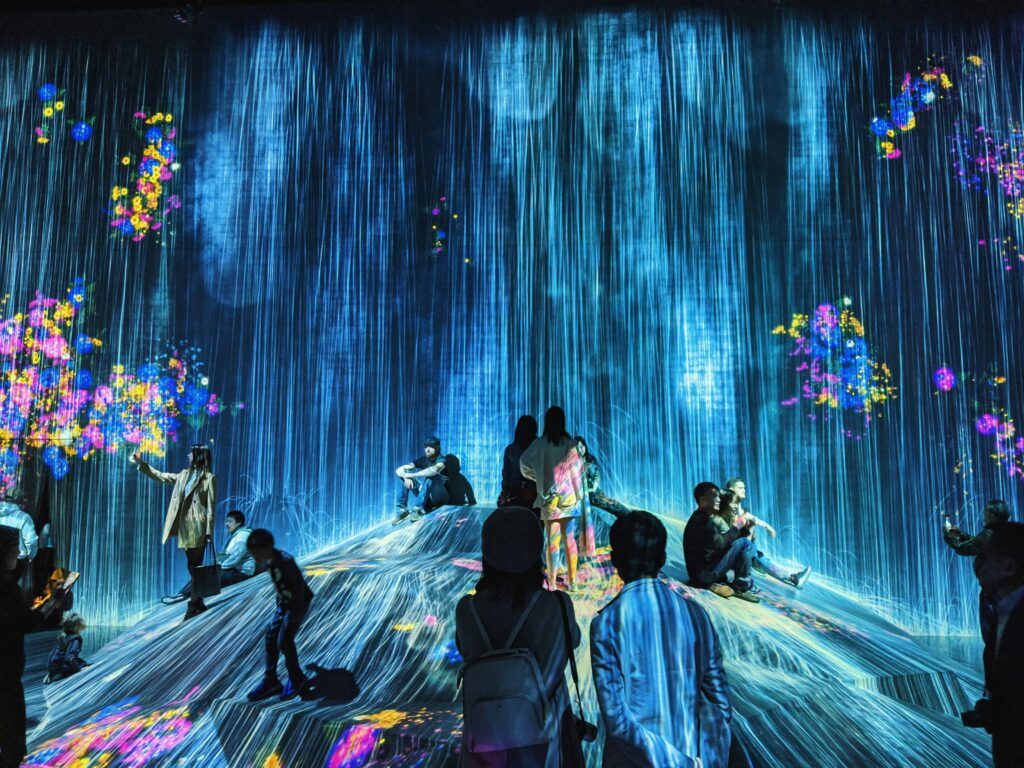
During your time in Tokyo, it’s important to hit some of the major sites while mixing in experiences that feel more personal. Meiji Jingu Shrine is best visited in the morning when it feels serene and grounded. Shinjuku Gyoen offers a quiet reset in the middle of the city. And TeamLab (both Planets and Borderless) delivers immersive, interactive art that feels distinctly modern Japan.
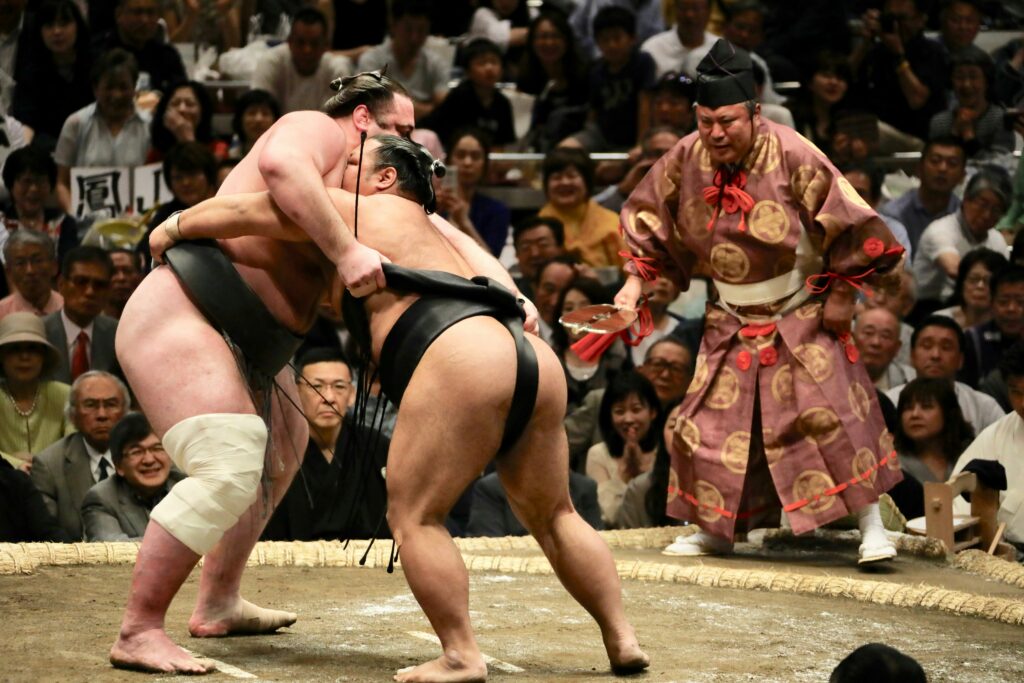
If there’s an opportunity to attend a live sports match, take it. Baseball season runs from late March through October and the atmosphere is electric. There are also six Grand Sumo tournaments across Japan each year. If your timing aligns, securing tickets is an unforgettable cultural experience. If not, you can still explore sumo through morning practice viewings or smaller dinner shows.
Tokyo is a city of neighborhoods, and exploring them is part of the fun. Asakusa offers history and tradition. Akihabara is a must for anime lovers. Shimokitazawa is perfect for vintage shopping and creative energy. And in Shibuya, walking toward Cat Street for shopping and weaving through Harajuku along the way is a great way to see the playful, colorful side of the city.
Interactive experiences elevate your time here. A cooking class, chopstick-making workshop, Kintsuji experience, or curated food tour adds depth beyond sightseeing. And for those looking for some pampering, visiting a Japanese head spa is a real treat.
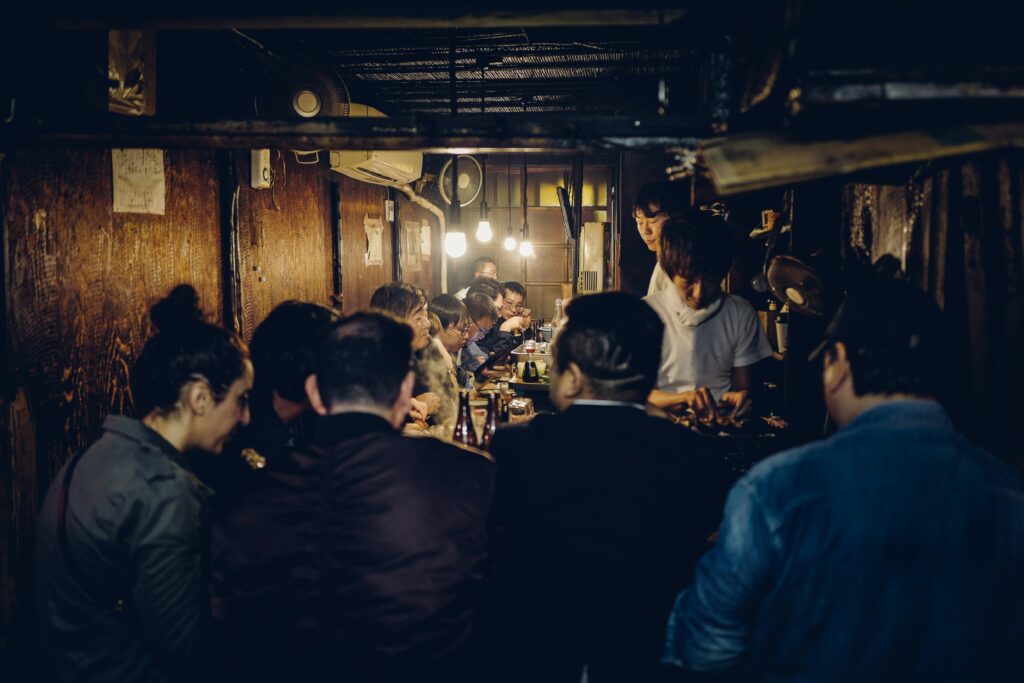
And the restaurant culture is hard to beat. You’ll find exceptional omakase counters alongside cozy pizza spots like Sabasu in Akasaka. The Bellwood and SG Club are standout cocktail bars, and for a late night, wandering through Golden Gai, Nonbei Yokocho or the alleys around Yurakucho Station is always a good idea. Add karaoke at one of the hundreds of private-room spots and you’ll understand why Tokyo’s nightlife is so memorable.
Days 6–8: Hakone
Hakone is the perfect contrast to Tokyo’s pace. Located between Tokyo and Kyoto/Osaka, it’s an easy and worthwhile stop for a night or two.
This is onsen country, and the best way to experience it is in a traditional ryokan. The most memorable stays include private onsen baths on your terrace and beautifully presented kaiseki meals for breakfast and dinner. After several busy city days, soaking in a hot spring and slowing down completely shifts the tone of the trip.
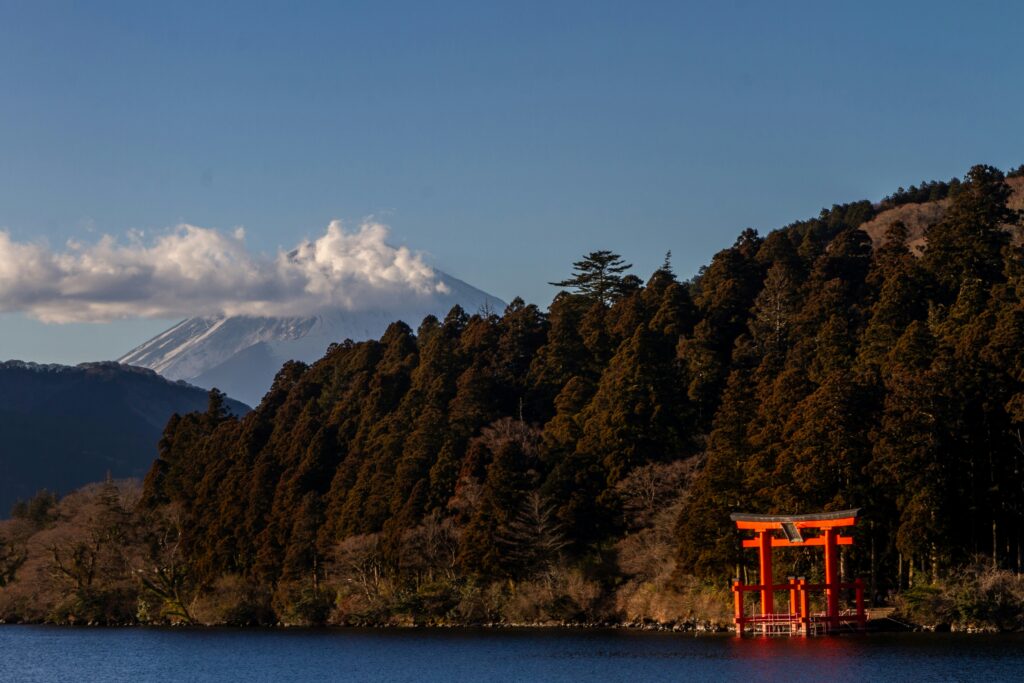
Hakone is primarily about relaxing, but there’s plenty to explore if you want to stay active. Lake Ashi and the Hakone Ropeway offer scenic views, especially on clear days. The Hakone Open-Air Museum blends sculpture with nature and includes an impressive Picasso collection. For families, Forest Adventure’s ropes course and the themed baths at Yunessun add playful energy.
Hakone is your reset button before Kyoto.
Days 9–11: Kyoto
Kyoto is an essential stop along this route. It’s layered with history, culture and moments that feel distinctly traditional. Staying near Higashiyama is ideal, as it provides a beautiful and convenient base to explore.
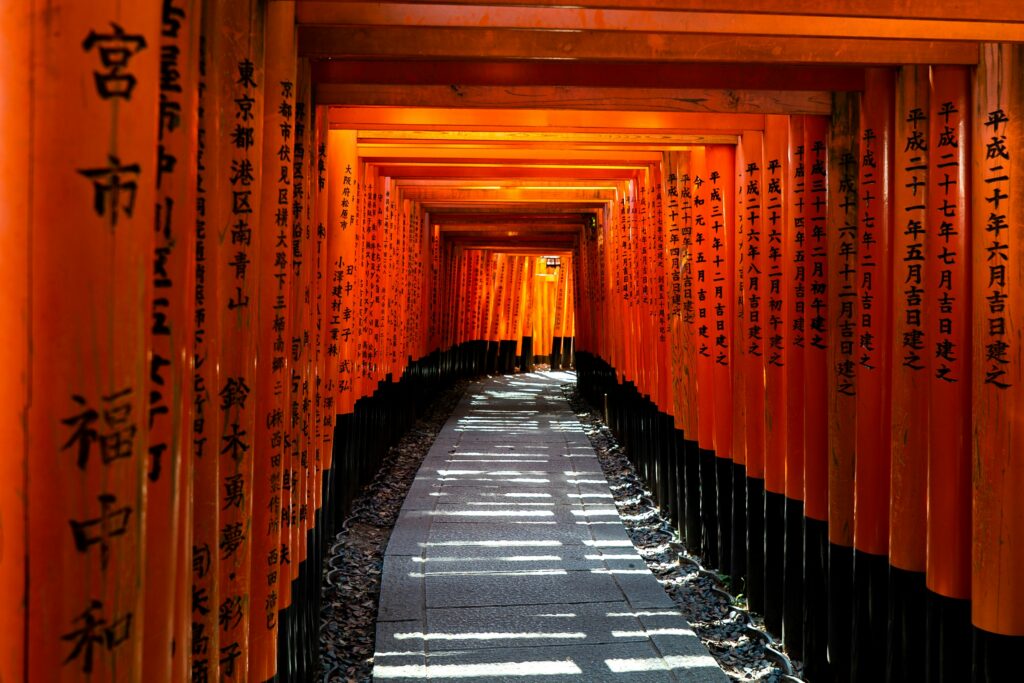
There are a few must-do experiences here. Fushimi Inari Taisha, with its thousands of torii gates, is one of them. It’s open 24 hours, and going early in the morning makes all the difference. Comfortable shoes are key — it’s a steady climb — but the views and atmosphere are worth it. This district is also Kyoto’s sake hub, making it a perfect place for a tasting or guided sake tour after the hike.
Nishiki Market is another essential stop. The covered market is filled with everything from sushi and grilled skewers to sweet treats and specialty ingredients. It sits alongside fantastic shopping arcades, and I love stopping into Daishodo for original Japanese art and prints.
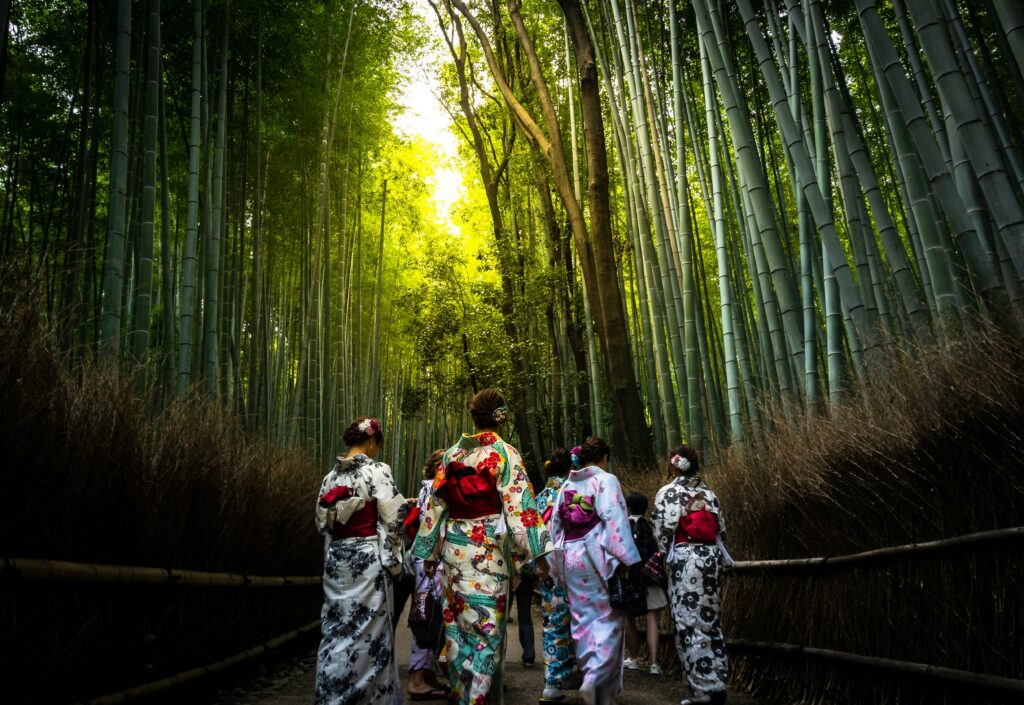
Arashiyama offers a completely different feel. Start early (again, to beat the big crowds) at Bamboo Grove, then visit Monkey Park to visit the monkeys, explore the traditional streets of Arashiyama and, if you’d like, rent a rowboat along the river. It’s a historic and charming area that rewards a slower pace.
Spending an hour at a traditional tea ceremony is another beautiful way to experience Kyoto’s culture. Sitting on tatami mats, learning the ritual and enjoying matcha with wagashi offers a glimpse into centuries-old traditions.
If you’re a matcha lover, the nearby town of Uji is worth exploring. Known as the green tea capital of Japan, you’ll find matcha in everything from soba noodles to desserts. You can visit tea fields and even try grinding your own matcha.
And of course, Gion. It’s the traditional Kyoto most people picture. Visiting early in the morning or later at night avoids heavy crowds and makes it feel far more atmospheric. While you’re there, Kiyomizu-dera is nearby and offers stunning views over the city. If you’re visiting in spring or fall, the evening illuminations are especially beautiful.
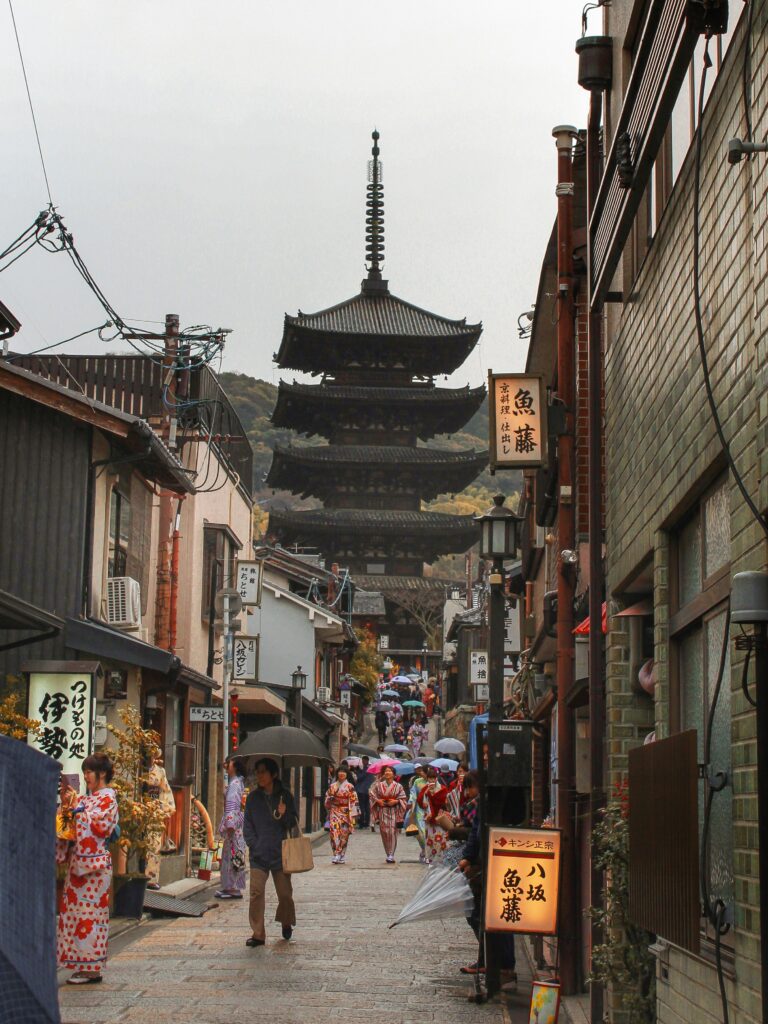
Days 12–14: Osaka
Osaka is bold, playful and unapologetically food-focused. After the elegance of Kyoto, the shift in energy feels exciting and a little gritty in the best way.
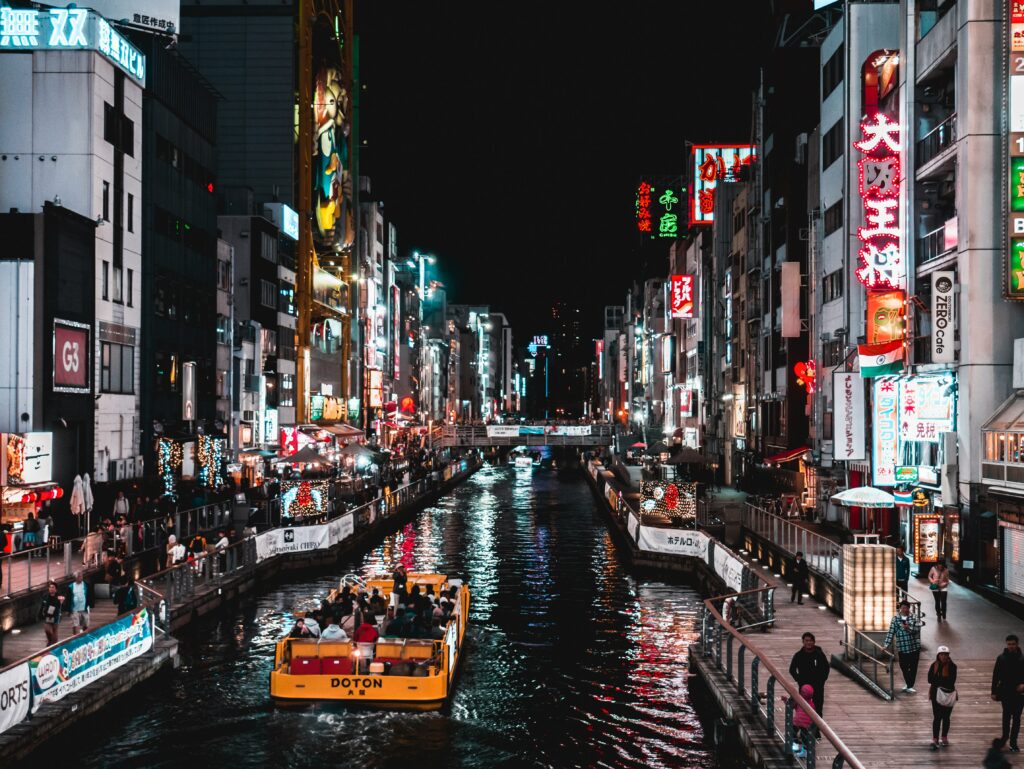
Staying in Namba places you in the heart of it all. This is where neon signs glow, street food stalls sizzle and the city feels fully alive well into the night. A stroll through Dotonbori is essential — grab takoyaki or okonomiyaki, snap a photo in front of the famous Glico Man and let yourself wander without a strict plan. It’s also fun to kickstart your trip with an izakaya tour where a local takes you to some of their favorite spots and you leave with a full list of tips and an even fuller belly.
Balance that high energy with quieter mornings. Osaka Castle Park is perfect early in the day before crowds build. The walking paths around the castle offer a scenic loop, and even if you skip the museum inside, the exterior alone is worth seeing.
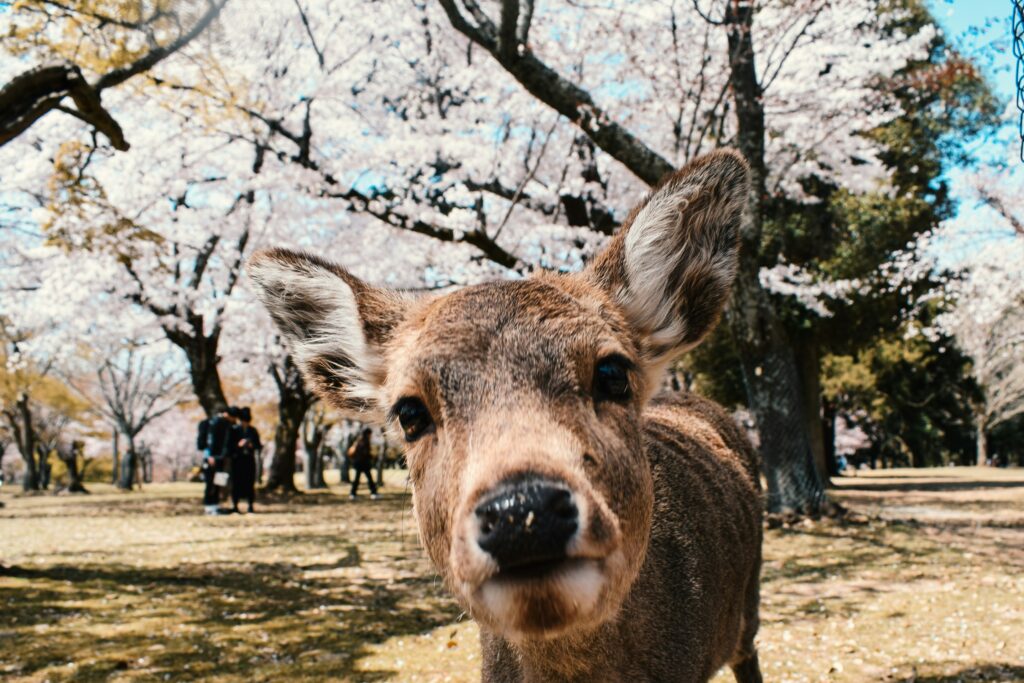
Osaka is also a great jumping-off point for day trips. Nara is close by and offers the famous deer-filled park and Todai-ji Temple, it can even be visited on the way from Kyoto. Stop by the famous Nakatanidou mochi shop to watch the animated mochi pounding from the window (done every 30 minutes). Hiroshima and Miyajima Island can also be added as a meaningful extension if you have an extra day or two to spare.
When it comes to drinks in Osaka, Bar Nayuta is a favorite — a hidden speakeasy on the fifth floor of an unassuming building. Space Station offers a completely different vibe with its retro video game theme.
For something unique, Namba Yasaka Shrine with its dramatic lion-head stage is worth a stop, and if you skipped it in Tokyo, TeamLab Botanical Garden in Osaka is best experienced at night. Finally, for live music and energy, Shinsaibashi is the place to be.
If you’re taking the shinkansen back to Tokyo for one final night, don’t skip shopping in Ginza before heading home. Ginza Natsuno is wonderful for chopsticks and accessories, and Uogashi Meicha Cha is perfect for specialty tea and high-quality matcha.
Final Thoughts
There is truly no shortage of things to do in Japan. This is intentionally a broad guide meant to spark ideas and provide flow rather than lock you into a rigid day-by-day itinerary. The beauty of traveling through Japan is that no two trips need to look the same. Some travelers want to focus on food and nightlife, others on temples and nature, and many love a mix of both.
When planning a trip like this, it’s also worth thinking about timing. The best season to visit, how to structure days that logistically make sense, the right neighborhoods to stay in, and the pacing between cities can all make a big difference in how the trip feels. Choosing the right hotel in each destination (and taking advantage of the partner perks we offer), structuring train routes efficiently, and layering in immersive experiences can take a good trip and turn it into an unforgettable one.
This guide is a starting point. If you’re ready to turn the inspiration into a seamless and customized itinerary tailored to you, fill out our inquiry form and we’ll be in touch with next steps.
And if you’d like to explore some of my favorite guided activities throughout Japan that you can book on your own, you can find those here.
Japan is unforgettable — and with the right planning, it only gets better.






Comments +